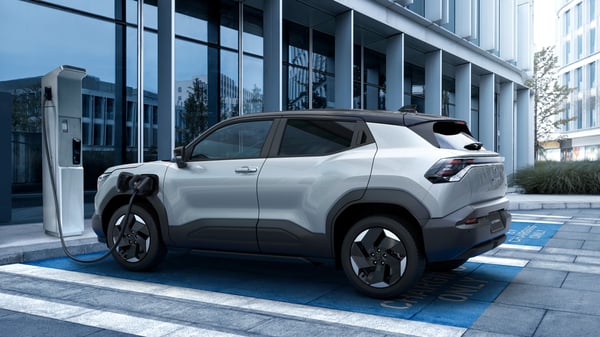
Good driving is good business. No matter what kind of company you run in New Zealand, or how many vehicles you have on your fleet, a Safe Driving Policy helps protect your team, your workplace and the wider community. It can reduce time off for injuries, lower insurance premiums and repair costs, and strengthen your company's reputation.
Here are five essentials to include in your workplace’s Safe Driving Policy.
1. Driver Behaviour
Driving can be one of the biggest risks employees face, so building a positive driving culture with clear standards for acceptable and unacceptable behaviour is a must.
-
Encourage drivers to follow speed limits, avoid mobile phone use, wear seat belts, and never drive tired or under the influence of drugs or alcohol.
-
Utilise a telematic monitoring system (combination of GPS tracking and vehicle onboard diagnostics) to assist with route planning, reduce traffic congestion stress, and lower the temptation to speed.
-
Take a proactive approach to driver wellbeing with eyesight checks, alcohol and drug testing, and support for mental health concerns when warning signs appear.
2. Driver Training and Licensing
The more confident your drivers are, the better decisions they will make on the road. By ensuring your drivers are trained and certified is crucial for their safety and for meeting employer Health & Safety at Work regulations.
-
Use NZTA’s Driver Check to check every new employee has the correct license before they drive at work. Vehicles driven by unlicensed drivers can be impounded by Police.
-
Teach your team how to use your vehicles safely, as well as what they should do should something go wrong.
-
Continually upskill with refresher courses covering vehicle handling and hazard identification, such as Fleetcoach.
-
Encourage staff to take first aid courses to help if they are involved in a crash or come across one.
3. Vehicle Safety Equipment
Buying, hiring or leasing the safest vehicles you can afford, and carrying appropriate safety equipment and protective gear will help safeguard your drivers and others on the road.
Consider safety features such as:
-
higher visibility colours, such as white, silver, red or yellow,
-
good rearward visibility, reverse camera and parking sensors.
-
active safety belt reminders,
-
head restraints on all seats to reduce whiplash,
-
daytime running lights (DRL) and auto light-sensing headlights,
-
speed warning or control devices, such as adaptive cruise control or speed limiter,
-
appropriate type of transmission, such as an auto for travelling around the city or AWD/4WD if working remotely,
-
a cargo barrier to protect the driver from any loose loads moving forward in a sudden stop,
-
alcohol interlock to prevent a vehicle being started if any alcohol is detected when the driver blows into a breath-testing device,
-
essentials such as first aid kits, fire extinguishers and emergency triangles, and
-
protective gear like hi-vis vests, gloves and safety glasses.
4. Vehicle Maintenance and Management
A proactive approach to vehicle maintenance helps keep your fleet safe, compliant, and road-ready at all times, as well as reducing potentially costly repairs.
-
Ask drivers to complete a checklist before and after each trip, covering brakes, tyres, lights, and fluid levels, so vehicles are safe to operate.
-
Put a process in place to fix faults quickly and let drivers know when repairs are complete.
-
Service regularly at certified vehicle manufacturer’s workshops to optimise fuel efficiency, maintain warranties, complete software updates and address safety recall notices.
-
Stay on top of Warrant of Fitness, licensing, and tyre checks to prevent fines and detect issues early.
-
Provide a safe, tidy area for maintenance, servicing, and everyday vehicle parking.
5. Accident Reporting and Investigation
Emergencies such as accidents, breakdowns, and severe weather are an unavoidable part of fleet management. Having clear reporting and response procedures in place helps your team act quickly and confidently when incidents happen.
-
Drivers should report accidents immediately so the situation can be managed without delay.
-
Once everyone involved is safe and the vehicle is secure, review what happened, assess the condition of the vehicles involved, and identify any contributing factors.
-
Use these insights to reduce future risk through practical improvements, such as extra driver training, stronger safety procedures, or updates to maintenance schedules and emergency response planning.
By integrating these five elements into your Safe Driving Policy, your business can create a safer environment for your employees and all road users and keep your operation running smoothly and cost effectively. To discuss what vehicles could be suitable for your fleet and meet your needs, contact the team at Suzuki today.