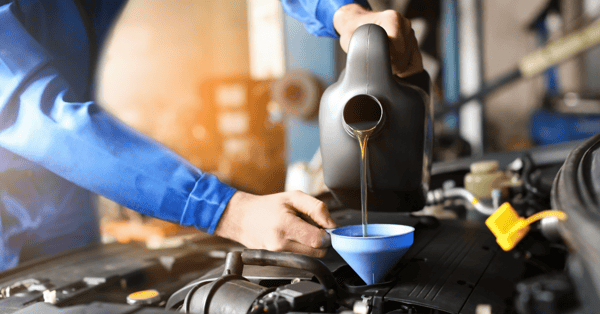
.png?width=1200&height=628&name=H%26D%20%20Blog%20Header%20Template%20%202022%20(39).png) Keeping your car’s engine oil in optimal condition is a key aspect of regular car maintenance, and could save you from forking out hundreds of dollars on repairs. Understanding the importance of timely oil changes can not only help you avoid costly damage, but will also ensure your vehicle performs at its best whenever you're on the road.
Keeping your car’s engine oil in optimal condition is a key aspect of regular car maintenance, and could save you from forking out hundreds of dollars on repairs. Understanding the importance of timely oil changes can not only help you avoid costly damage, but will also ensure your vehicle performs at its best whenever you're on the road.
Let’s jump into some helpful information around how often you should change your car's oil, as well as the key reasons why regular oil changes are essential, the signs to watch out for, and practical tips to prevent an expensive visit to the mechanic. By following these guidelines, you can maintain your car's engine health and enjoy a smoother, more efficient driving experience.
When in doubt, check the service manual
When it comes to determining the specific oil change schedule and the type of oil suitable for your car, referring your vehicle's service manual is the best starting point. The service manual, provided by the manufacturer, contains comprehensive information tailored to your car's make and model. Here's why referring to your service manual is a useful first step:
Manufacturer Recommendations — the service manual outlines the oil change intervals recommended by the manufacturer. These intervals are based on extensive testing and engineering expertise, ensuring the best performance and longevity for your vehicle's engine.
Customised Guidelines — every car is unique, and the service manual provides customised guidelines specific to your make and model. It may include variations based on factors like engine size, fuel type, and additional features or options that affect maintenance requirements.
Oil Specifications — the service manual specifies the type of oil that best suits your car's engine. It may recommend a particular viscosity grade (e.g., 5W-30 or 10W-40) and might provide guidance on whether to use conventional, synthetic, or a blend of oils.
5 important signs to look out for
Knowing the signs that indicate your car's oil needs changing is crucial in maintaining its engine health. Keep an eye out for the following indicators, sounds, and visual cues:
1. Dashboard Warning Lights:
Most modern cars are equipped with oil pressure or oil change reminder lights on the dashboard. If you see an illuminated oil can or an alert indicating low oil pressure, it's a clear signal that you should check your oil level and consider an oil change.
2. Engine Noises:
Listen for unusual engine noises, such as knocking, ticking, or rumbling sounds. When the engine oil becomes old and contaminated, it loses its lubricating properties, leading to increased friction and wear on the engine components. Unusual sounds may indicate insufficient lubrication, suggesting that an oil change is needed.
3. Low Oil Level:
Periodically check your car's oil level using the dipstick under the hood. If you notice that the oil level is consistently low, it could be a sign of leaks or excessive oil consumption. In these cases, it's crucial to address the issue quickly, before causing any permanent damage.
4. Oil Colour and Consistency:
Healthy engine oil should have a transparent, amber colour. If the oil appears dark, dirty, or sludgy, it's an indication that it's time for a change. Additionally, if you notice particles or debris in the oil, it may signify internal engine problems that require immediate attention.
5. Oil Spills or Puddles:
Keep an eye on the ground wherever you park your car. Oil leaks often leave noticeable stains or puddles under the engine area. If you notice any oil spills, it's essential to investigate and address the source of the leak quickly. Regular oil changes can help prevent leaks and prolong the life of gaskets and seals.
What happens if you don’t regularly check your engine oil?
Neglecting regular oil changes can have detrimental effects on your car's engine and lead to costly repairs down the line. Here are some of the potential consequences of not changing your car's oil regularly and essential tips to avoid expensive damage:
Engine Wear and Tear – over time, oil breaks down and loses its lubricating properties. Without proper lubrication, the engine's moving parts, such as pistons, valves, and bearings, experience increased friction and wear. This can result in decreased engine performance, reduced fuel efficiency, and even engine failure.
Sludge Buildup — as oil ages, it can build up dirt, debris, and contaminants. Over time, these impurities can form sludge, a thick, gel-like substance that can clog the engine's oil passages, restrict proper lubrication, and disrupt the cooling system. This can lead to engine overheating, decreased performance, and potential damage to critical engine components.
Lower Fuel Efficiency — inadequate lubrication from old or insufficient oil can increase the engine's friction and workload. This can result in reduced fuel efficiency, forcing your car to burn more fuel to perform the same tasks. Over time, this can lead to spending more at the pump due to higher fuel consumption.
Expensive Engine Repairs — ignoring oil change intervals and not staying on top of proper engine maintenance could eventually lead to permanent engine damage. This can include issues like worn-out bearings, damaged camshafts, bent valves, or even a seized engine. Repairing or replacing these components can be extremely costly and you could end up needing a complete engine overhaul.
How to Avoid Costly Damage:
- Follow the recommended oil change schedule outlined in your service manual.
- Use high-quality oil that meets the manufacturer's specifications, and stick to regular oil change intervals to prevent sludge buildup.
- Use high-quality oil filters to trap contaminants effectively.
- Pay attention to any signs indicating the need for an oil change and don’t wait to address them.
- Conduct routine inspections and services, including checking for leaks and monitoring fluid levels.
Taking care of your car's engine through regular oil changes is a small investment that pays off in the long run. It helps maintain engine health, improves fuel efficiency, and extends the overall lifespan of your vehicle. By prioritising this essential maintenance task, you can enjoy worry-free driving and peace of mind knowing that your car's engine is well-cared for.
So, don't overlook the significance of regular oil changes—protect your car's engine and enjoy the benefits of a well-maintained vehicle for years to come.
Take control of your car's engine health by regularly changing your oil, and for more insights, download our Ultimate Car Buying Guide to make informed decisions throughout your car ownership journey.


.png?width=600&name=H&D%20%20Blog%20Header%20Template%20%202022%20(19).png "Checklist: 10 Things to do After Deciding to Buy a New Car")